3 hr
Abel Tasman Full Park Scenic Cruise
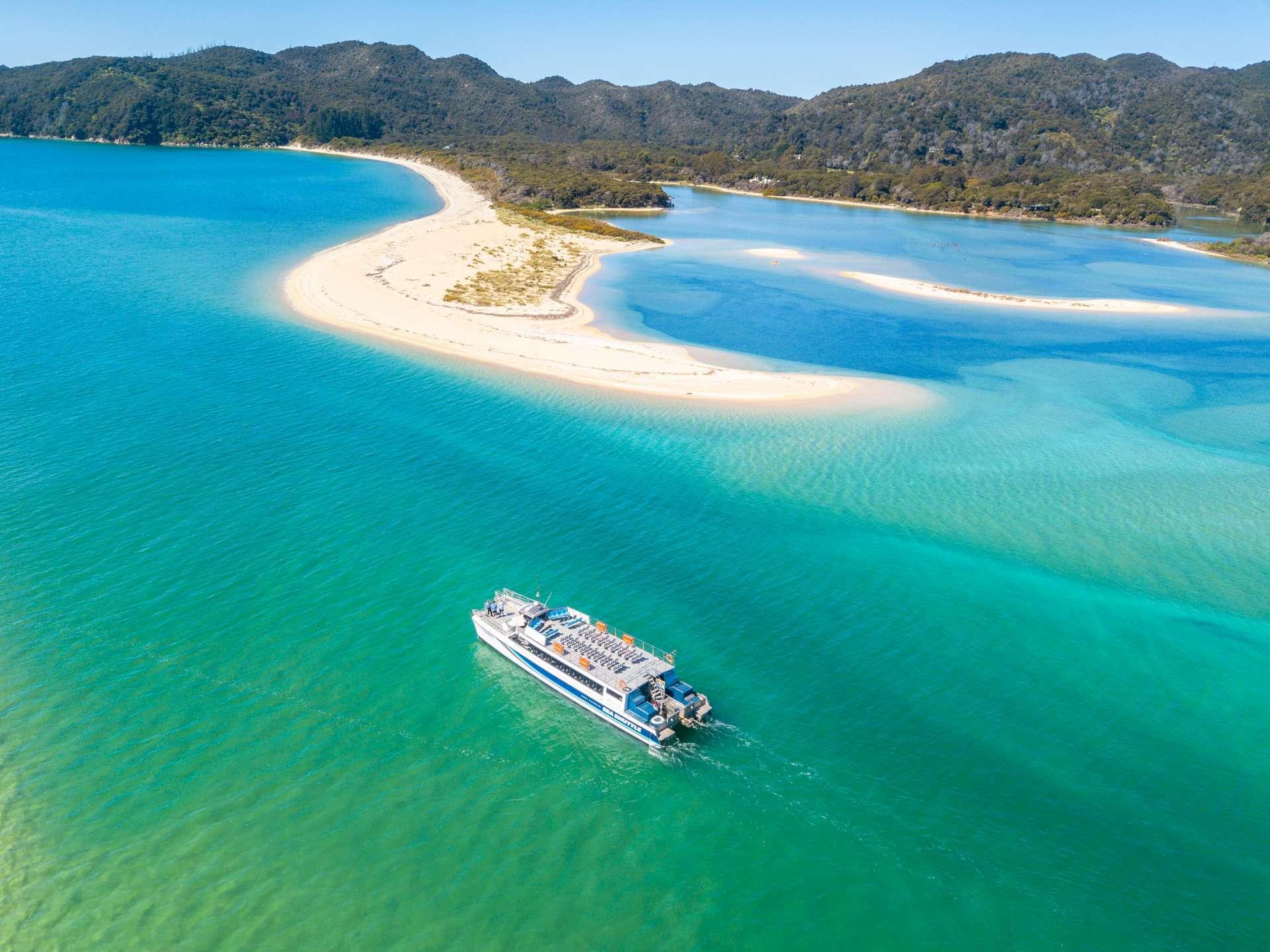
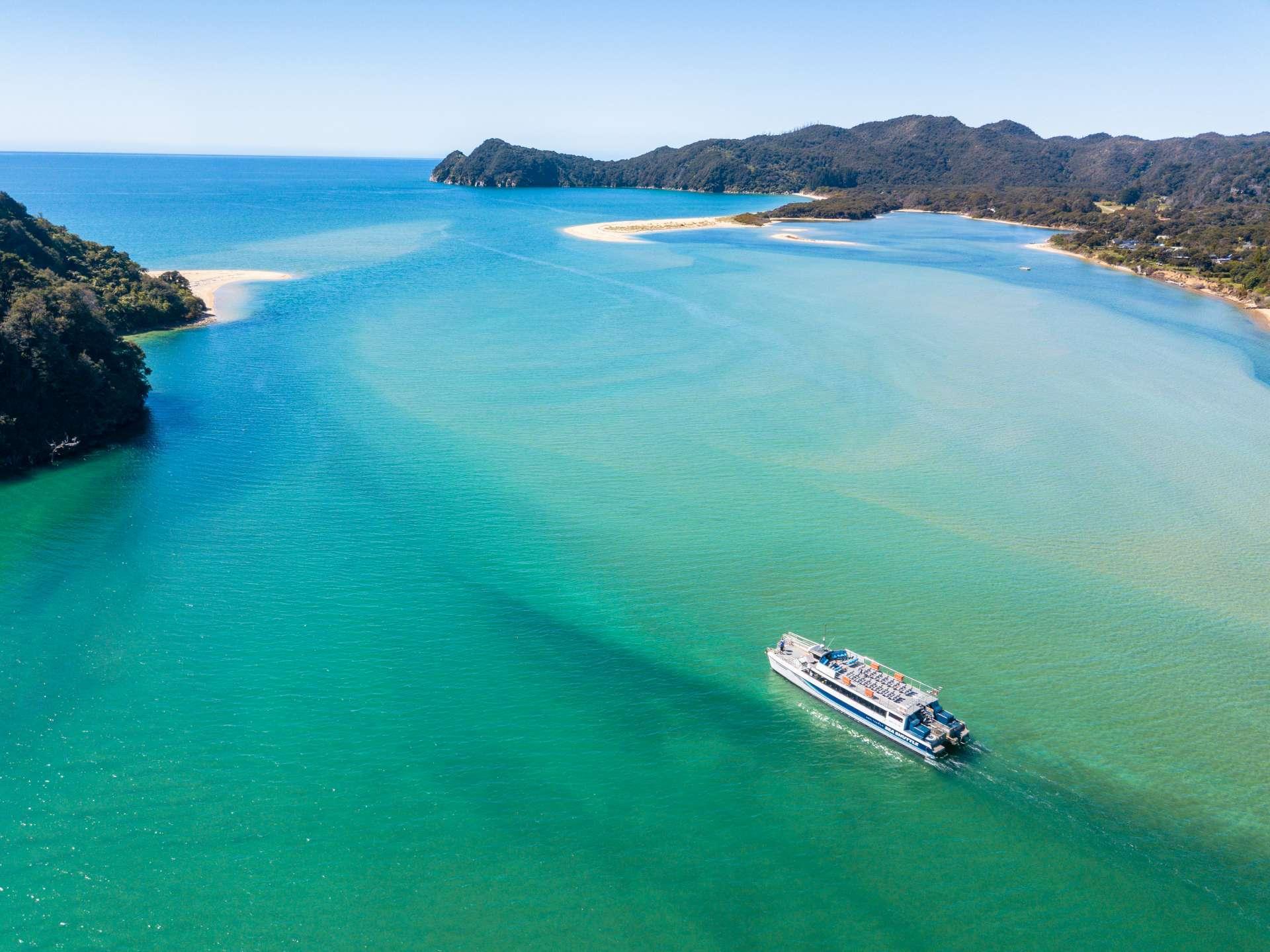
Three-hour coastal voyage through New Zealand's stunning Abel Tasman National Park from Kaiteriteri Beach
Reserve
Hand-picked by our editors — only the best 5 water tour experiences from 28 reviewed.
Verified partners for every tour, free cancellation where available, and instant confirmation on every booking.
3 hr
Three-hour coastal voyage through New Zealand's stunning Abel Tasman National Park from Kaiteriteri Beach
Reserve
24 hr
Combine a scenic boat ride with coastal hiking across golden beaches, native forest, and wildlife hotspots
Reserve
8 hr
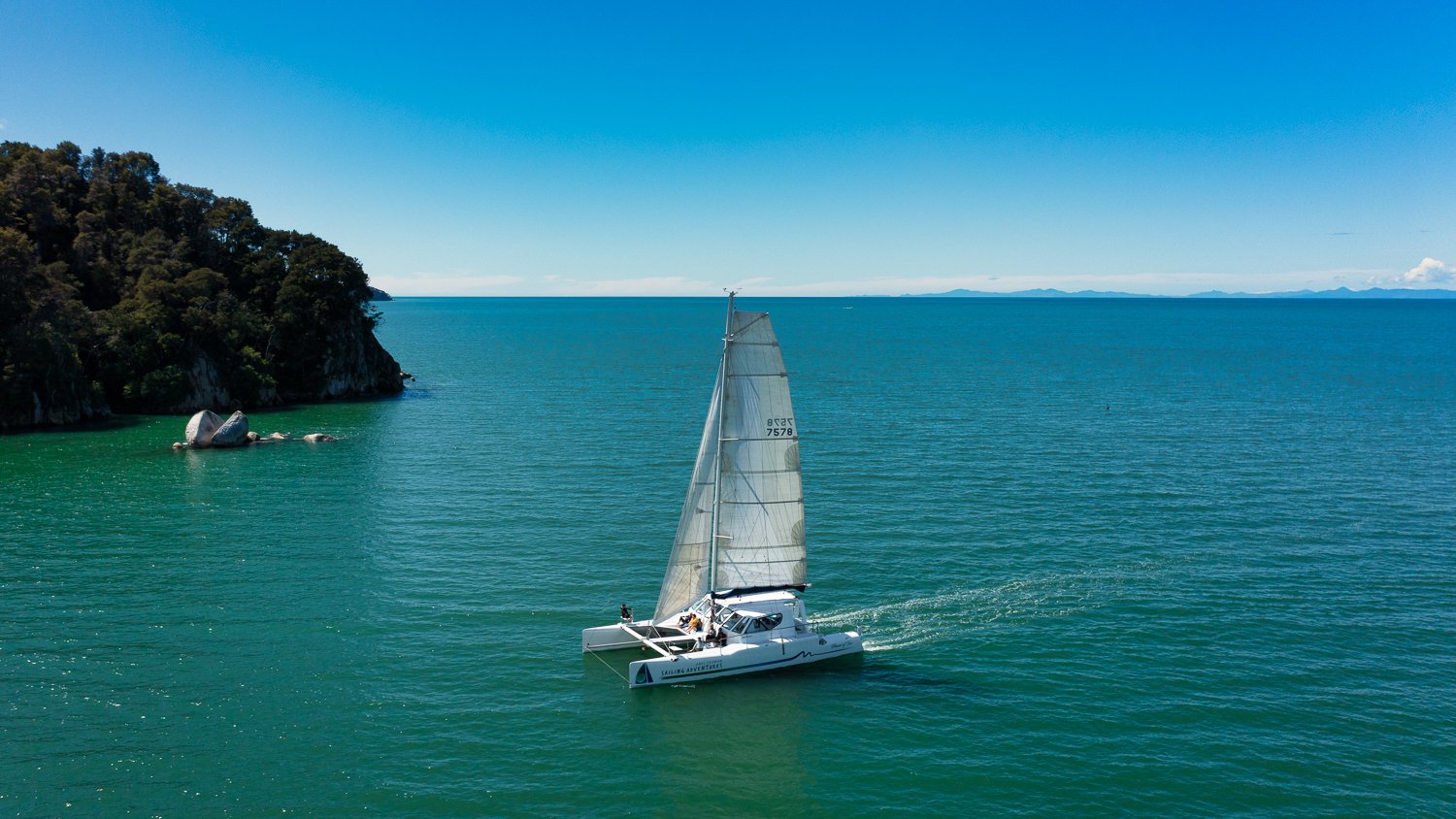
Cruise past golden bays and fur seals, then hike one of NZ's finest coastal trails back through native forest
ReservePrices from verified partners. Availability updates in real time at checkout. Free cancellation policies apply where shown.
The landmarks, rooms, and views travelers on this tour remember — all visible on a single visit.
This wide, golden beach is a primary hub for boat arrivals and offers excellent swimming and sheltered conditions. It serves as a central starting point for many coastal walks, featuring a 2-hour return trip to Cleopatra's Pool.
They complement each other; most visitors who do both call motorized exploration more efficient for coverage, while paddling offers a more immersive connection to the coastline. Choosing abel tasman boat tours provides a swift way to access remote golden sands.
| Feature | Top pick Boat Tours | Independent Kayaking |
|---|---|---|
Physical Exertion |
Low (seated transport) | High (constant paddling) |
Wildlife Viewing Access |
Wide coverage of seal colonies | Intimate, quiet approaches to coves |
Safety/Guidance |
Licensed skipper and crew | Self-managed; requires competency |
Flexibility |
Scheduled departures and stops | Go-anywhere tidal freedom |
Group Size |
Large shared vessels | Private or small pairs |
Cost Comparison |
From 65 NZD (summer) | From 120 NZD (summer) |
| See tickets → |
Verdict: Select abel tasman boat tours tour options for maximum coastal range or choose kayaks when seeking personal autonomy and physical challenge; be sure to secure your abel tasman boat tours tickets early. Visitors often find that booking abel tasman boat tours tours allows for the best blend of comfort and scenery.
Choose your ticket, select your date, and reserve in under two minutes. Secure checkout handled by our verified partner.
Instant confirmation by email, with a mobile voucher you can save offline. No printing, no queuing at a collection desk.
Arrive at the entrance, show your voucher on your phone, and walk in. Most tickets include priority or skip-the-line access.
Practical details for your visit straight from our verified partners — hours, access, rules, and how to get there.
Wear comfortable, weather-appropriate clothing including layers. Sturdy walking shoes are recommended if you plan to explore coastal tracks during your abel tasman boat tours.
Keep all luggage compact and waterproof for boat transfers. Staff at Kaiteriteri Beach can assist with secure storage options for larger bags.
Photography is encouraged throughout your abel tasman boat tours. Respect local wildlife by maintaining distance when capturing images of marine life.
While most vessels accommodate wheelchairs, please notify operators in advance to ensure safe boarding from the beach. Staff are trained to assist passengers with diverse mobility needs.
The park is ideal for all ages, with many abel tasman boat tours offering discounted rates for children. Ensure minors are supervised near the water and during boarding.
Carry sufficient water and snacks, though some longer abel tasman boat tours provide onboard refreshments. Leave no trace of food waste within the National Park.
Best time to go, insider tips, nearby landmarks, and the cancellation fine print — flip through to skim what matters to you.
Flexible, no hidden fees.
Full refunds or rebooking are generally available for cancellations made at least 7 days before departure. Cancellations within 24 hours typically result in no refund.
Abel Tasman National Park became New Zealand's smallest national park in 1942, spanning just 237 square kilometres of coastline where the Tasman Sea meets forested granite ridges. Dutch explorer Abel Tasman charted this shore in 1642 but never set foot on it — Māori waka approached his ships, a misunderstood exchange turned hostile, and he sailed north without landing. The sheltered bays and tidal estuaries were home to Ngāti Rārua and Te Ātiawa iwi for centuries before European settlement, and their descendants retain strong cultural ties to the region today. The coastline's accessibility by water alone — many beaches lack road access — has preserved its character through the park's eight decades of protection. Today the park draws more than 270,000 visitors annually, most arriving by boat rather than on foot. Water transport is not a luxury but a functional necessity for anyone wishing to reach the inner bays — Anchorage, Torrent Bay, Bark Bay — where the Coast Track's most admired sections begin. Charter operators run scheduled scenic cruises, point-to-point shuttles for trampers, and sailing voyages that combine deck time with guided shore walks. The vessels range from motorised catamarans carrying eighty passengers to twelve-metre eco-sailboats under canvas, each designed to navigate the park's tidal variations and shallow sandbars. The estuary at Awaroa Inlet, accessible only at high tide, showcases the region's ecological complexity — a brackish mixing zone where freshwater streams meet the sea, bordered by mudflats that support wading birds and crustaceans. Split Apple Rock, a spherical granite boulder cleaved by geological pressure into two symmetrical halves, sits just offshore near Kaiteriteri and marks the southern threshold of the park's marine reserve. Fur seals haul out on rocky platforms between Adele Island and Tonga Island, and little blue penguins nest in coastal scrub above the high-tide line. The Tonga Island Marine Reserve, established in 1993, prohibits fishing and anchoring within its boundaries, creating a refuge for snapper, blue cod, and crayfish populations. Most commercial departures leave from Kaiteriteri Beach or Mārahau, the two townships that serve as gateways to the park. Kaiteriteri's sheltered harbour accommodates larger vessels; Mārahau sits closer to the park boundary and offers faster transit to the northern beaches. Scheduled cruises typically follow the coastline from Mārahau to Awaroa and return, a round trip covering fifty kilometres in three to four hours. Water taxis operate on flexible timetables, dropping trampers at designated points along the Coast Track and retrieving them hours or days later. Sailing charters move more slowly, relying on wind rather than engines, and often include kayaking or guided walks as part of a half-day or full-day itinerary.
"The coastline's accessibility by water alone has preserved its character through the park's eight decades of protection."
A step-by-step walkthrough of the visit — what you'll see, how long each stage takes, and the details that matter.
You step aboard at Kaiteriteri Beach as the morning departure prepares to cast off, crew stowing packs and checking passenger counts against the manifest. The catamaran clears the breakwater and accelerates into Tasman Bay, spray lifting from the bow as forested headlands slide past the rail. Within twenty minutes you pass Split Apple Rock, its granite halves worn smooth by tide and wind, and the vessel slows as it enters the marine reserve boundary. Fur seals lounge on kelp-draped platforms near Tonga Island, indifferent to the boat's approach, and you count seven adults and three juveniles through binoculars borrowed from the deckhand. The captain throttles back further as the hull glides into Anchorage Bay, where the sandy crescent meets the forest at a line of driftwood and tide-wrack. Passengers heading ashore for the Coast Track shoulder their packs and transfer to the tender, while you remain aboard for the continuation north. The next leg follows the curve of Torrent Bay and Bark Bay, both inaccessible by road and visible only from the water or on foot. At Awaroa Inlet the vessel noses into the estuary at high tide, mudflats submerged beneath a metre of seawater, and you watch an oystercatcher work the shallows near the mangrove fringe. The return passage retraces the route at a faster clip, the deck warm under midday sun, and you dock back at Kaiteriteri three hours and forty minutes after departure.
Our office is open from 07:30 to 17:00 daily to assist with your journey. Visitors can book abel tasman boat tours during these hours.
There is 0 NZD entrance fee for the National Park; fees apply only to specific activities or guided tours.
We recommend an arrival window between 08:00–10:00. This early departure helps you avoid peak afternoon wind.
Yes, many operators provide child-friendly pricing for abel tasman boat tours tickets. Check specific tour details for age restrictions.
You are welcome to bring food and drinks, though some vessels offer onboard service during your abel tasman boat tours. Always carry out any trash.
Strollers are difficult to maneuver on sandy beaches and forest trails. Most visitors prefer carriers for toddlers during abel tasman boat tours tours.
Kaiteriteri Beach is easily reached by car or bus from Nelson and Motueka. Use the main carpark near the beach before your abel tasman boat tours.
Yes, cancellation policies depend on how close the request is to your booking date. Refer to your operator terms for specific abel tasman boat tours tour rules.
Common sightings include New Zealand fur seals and various seabirds. Occasionally, visitors on abel tasman boat tours encounter dolphins or rays.
Yes, you can easily combine your cruise with coastal hikes. Many abel tasman boat tours offer drop-off and pick-up services at popular beaches.